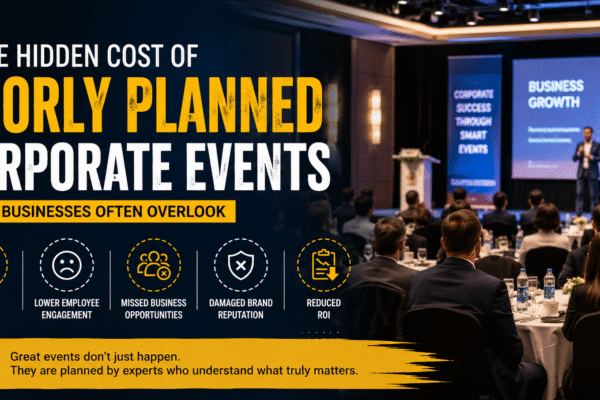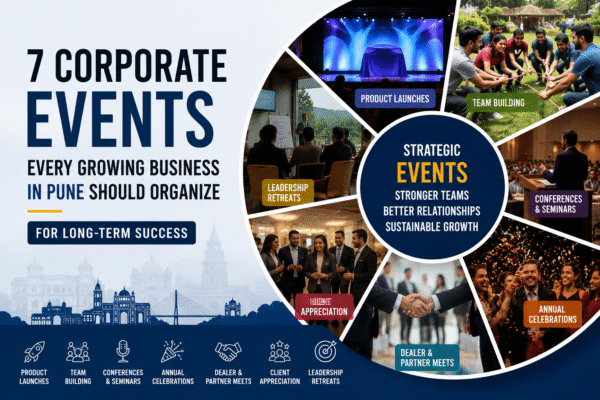

Corporate events have become an essential part of modern business growth. Whether you’re organizing a product launch, annual conference, employee engagement program, networking event, or client appreciation gathering, successful execution requires careful planning and attention to detail.
For businesses in Pune, corporate events offer opportunities to strengthen relationships, build brand visibility, generate qualified leads, and improve employee engagement. However, even the most promising event ideas can fall short without a structured planning process.
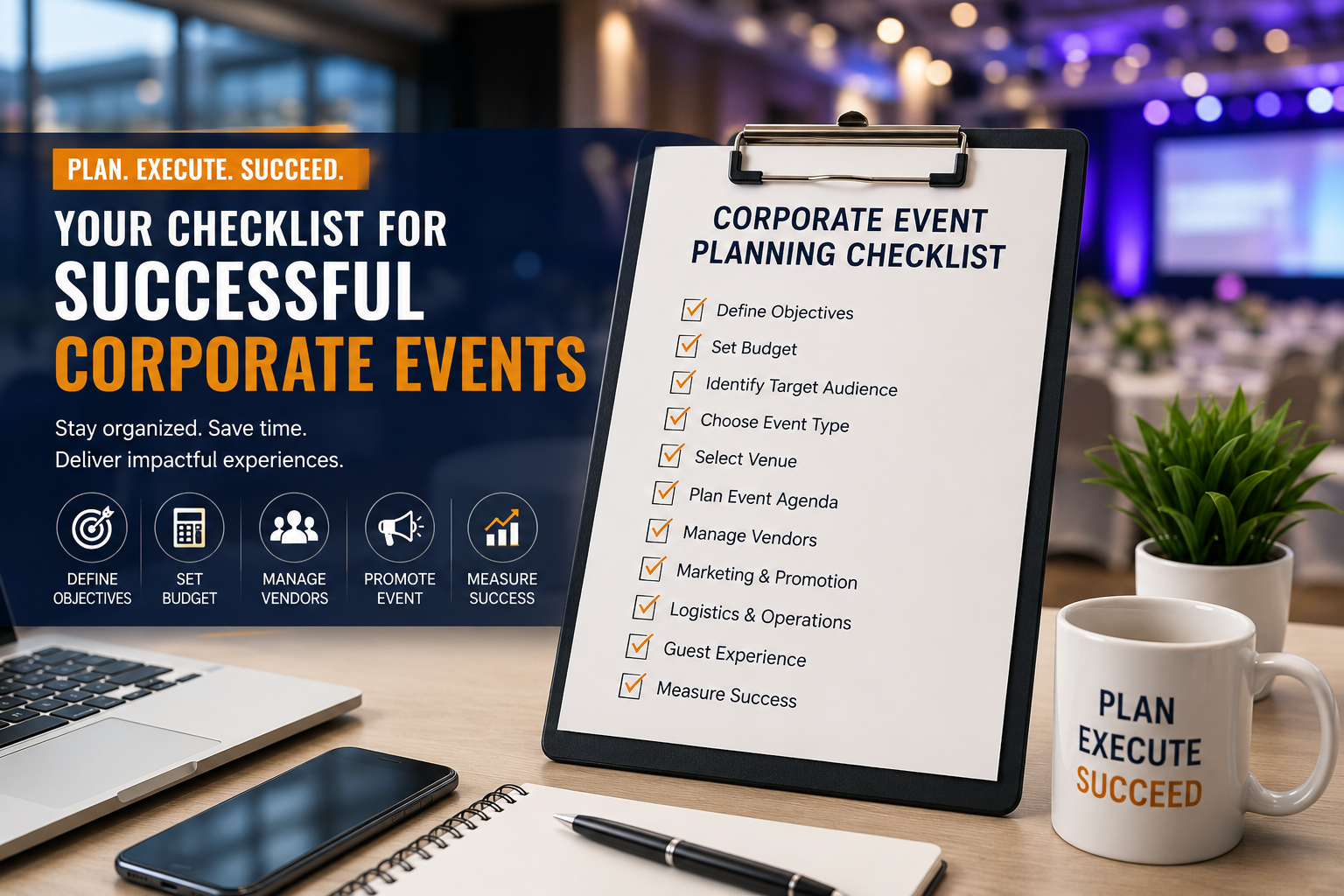
This Corporate Event Planning Checklist Pune will help businesses organize impactful events while avoiding common mistakes that can affect attendance, engagement, and overall event success.
Why Corporate Event Planning Matters
A well-planned corporate event can help businesses generate new opportunities, strengthen client relationships, improve employee engagement, increase brand visibility, and create meaningful experiences that support long-term business growth. Whether you’re hosting a small networking session or a large-scale conference, having a clear strategy significantly improves the chances of achieving your objectives. Businesses looking for inspiration can explore these corporate events for business growth to understand which event formats align best with their goals.
1. Define Your Event Goals and Objectives
Before selecting a venue or sending invitations, identify the purpose of the event. Understanding your goals helps shape every aspect of planning and execution.
- Lead generation and business development
- Brand awareness and visibility
- Employee engagement and team building
- Product or service launches
- Customer relationship building
- Partner and stakeholder networking
Clearly defined objectives help determine event formats, target audiences, budgets, and success metrics.
Quick Checklist
✔ Define business objectives
✔ Identify target outcomes
✔ Set measurable KPIs
✔ Align event goals with business strategy
2. Set a Realistic Event Budget
Budget planning is one of the most important stages of event management. Establishing a realistic budget helps control costs while ensuring the event delivers value.
Common event expenses include:
- Venue rental
- Catering services
- Audio-visual equipment
- Event branding and signage
- Photography and videography
- Marketing and promotions
- Entertainment and guest speakers
- Registration and event technology
- Transportation and logistics
Budget Planning Checklist
✔ Estimate total event budget
✔ Allocate funds by category
✔ Include contingency expenses
✔ Monitor spending regularly
3. Identify Your Target Audience
Understanding who will attend your event allows you to create a more relevant and engaging experience.
Your audience may include:
- Existing customers
- Prospective clients
- Employees
- Industry professionals
- Investors
- Business partners
- Media representatives
The better you understand your audience, the more effectively you can plan content, communication, and engagement activities.
4. Choose the Right Type of Corporate Event
Different event formats serve different business objectives. Choosing the right format is critical to event success.
- Product Launch Events
- Business Conferences
- Corporate Networking Events
- Team-Building Activities
- Annual Meetings
- Award Ceremonies
- Training Workshops
- Corporate Celebrations
If you’re exploring event formats, you may also find our guide on corporate event ideas helpful when planning future business events.
5. Select the Ideal Venue
The venue influences attendee experience, logistics, accessibility, and overall event perception.
Venue Selection Checklist
✔ Convenient location
✔ Adequate parking facilities
✔ Suitable seating capacity
✔ Audio-visual infrastructure
✔ High-speed internet access
✔ Accessibility for attendees
✔ Catering facilities
✔ Branding opportunities
Choosing the right venue creates a professional atmosphere and supports a seamless event experience.
6. Create a Detailed Event Timeline
A structured timeline ensures every activity is completed on schedule.
8–12 Weeks Before the Event
- Finalize event objectives
- Approve budget
- Book venue
- Select vendors
4–6 Weeks Before the Event
- Launch event promotions
- Send invitations
- Confirm speakers and presenters
- Open registrations
2 Weeks Before the Event
- Finalize attendee list
- Confirm logistics
- Conduct technical testing
Event Day
- Coordinate vendors
- Manage guest experience
- Monitor event execution
Post-Event Activities
- Collect feedback
- Share event highlights
- Evaluate performance metrics
7. Develop an Event Marketing Strategy
Even the most well-planned event requires effective promotion to maximize attendance and engagement.
Popular event marketing channels include:
- Email marketing campaigns
- LinkedIn promotions
- Social media marketing
- Paid advertising campaigns
- Website landing pages
- Partner outreach
- Public relations activities
Consistent communication before the event helps build anticipation and improve participation rates.
8. Manage Vendors and Event Logistics
Corporate events often require coordination between multiple vendors and service providers.
Common event vendors include:
- Caterers
- Decorators
- Audio-visual providers
- Photographers
- Videographers
- Entertainment partners
- Printing vendors
Vendor Management Checklist
✔ Confirm contracts and agreements
✔ Share timelines and schedules
✔ Assign responsibilities
✔ Conduct pre-event reviews
✔ Establish communication channels
9. Planning a Product Launch Event? Follow This Additional Checklist
Product launches require additional planning to create excitement, attract attention, and generate business opportunities.
Product Launch Checklist
✔ Define launch objectives
✔ Prepare product demonstrations
✔ Invite media representatives
✔ Engage industry influencers
✔ Create launch presentations
✔ Capture attendee information
✔ Plan post-launch follow-ups
Businesses launching new products often benefit from working with a professional product launch event planning company to ensure smooth execution and stronger audience engagement.
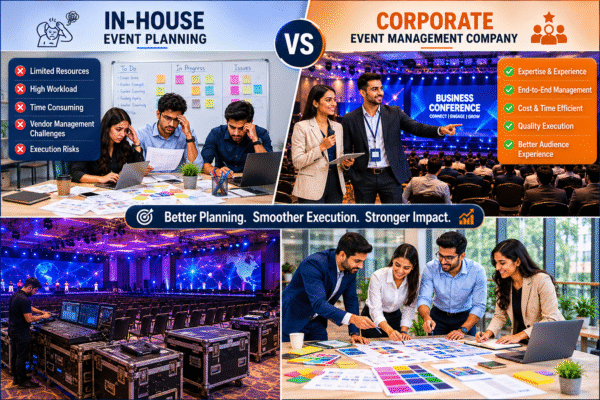
10. Decide Between In-House Planning and Professional Event Management
Many organizations debate whether to manage events internally or partner with experienced event professionals.
In-House Planning
- Greater internal control
- Direct communication
- Potentially lower upfront costs
Challenges of In-House Planning
- Time-intensive
- Resource constraints
- Limited vendor relationships
- Increased operational workload
Benefits of Professional Event Management
- Industry expertise
- Vendor management support
- Better event execution
- Reduced operational stress
- Enhanced attendee experience
11. Focus on Guest Experience
Attendee experience plays a major role in determining the overall success of an event.
Guest Experience Checklist
✔ Easy registration process
✔ Professional welcome experience
✔ Clear communication
✔ Comfortable seating arrangements
✔ Networking opportunities
✔ Quality refreshments
✔ Feedback collection
Positive guest experiences encourage stronger relationships and improve participation in future events.
12. Measure Event Success
Evaluating event performance helps determine whether your objectives were achieved and provides valuable insights for future improvements.
Key Performance Indicators (KPIs)
- Attendance rate
- Leads generated
- Customer inquiries
- Social media engagement
- Website traffic
- Participant feedback
- Revenue opportunities
- Return on investment (ROI)
Why Businesses Work with a Corporate Event Management Company in Pune
Planning a successful corporate event involves managing multiple moving parts simultaneously. From venue selection and vendor coordination to branding, logistics, guest management, and event execution, professional support can make a significant difference.
Working with an experienced corporate event management company in Pune helps businesses save time, improve event execution, reduce operational risks, and create memorable experiences that support business objectives. Professional event planners bring industry expertise, established vendor networks, and proven processes that contribute to successful event outcomes.
Final Thoughts
Successful corporate events require strategic planning, clear objectives, detailed coordination, and seamless execution. By following this corporate event planning checklist, businesses can organize events that strengthen relationships, improve brand visibility, generate qualified opportunities, and contribute to long-term growth. Whether you’re planning a conference, networking event, team-building activity, annual meeting, or product launch, investing time in preparation can significantly improve results and create lasting value for your business and attendees.